






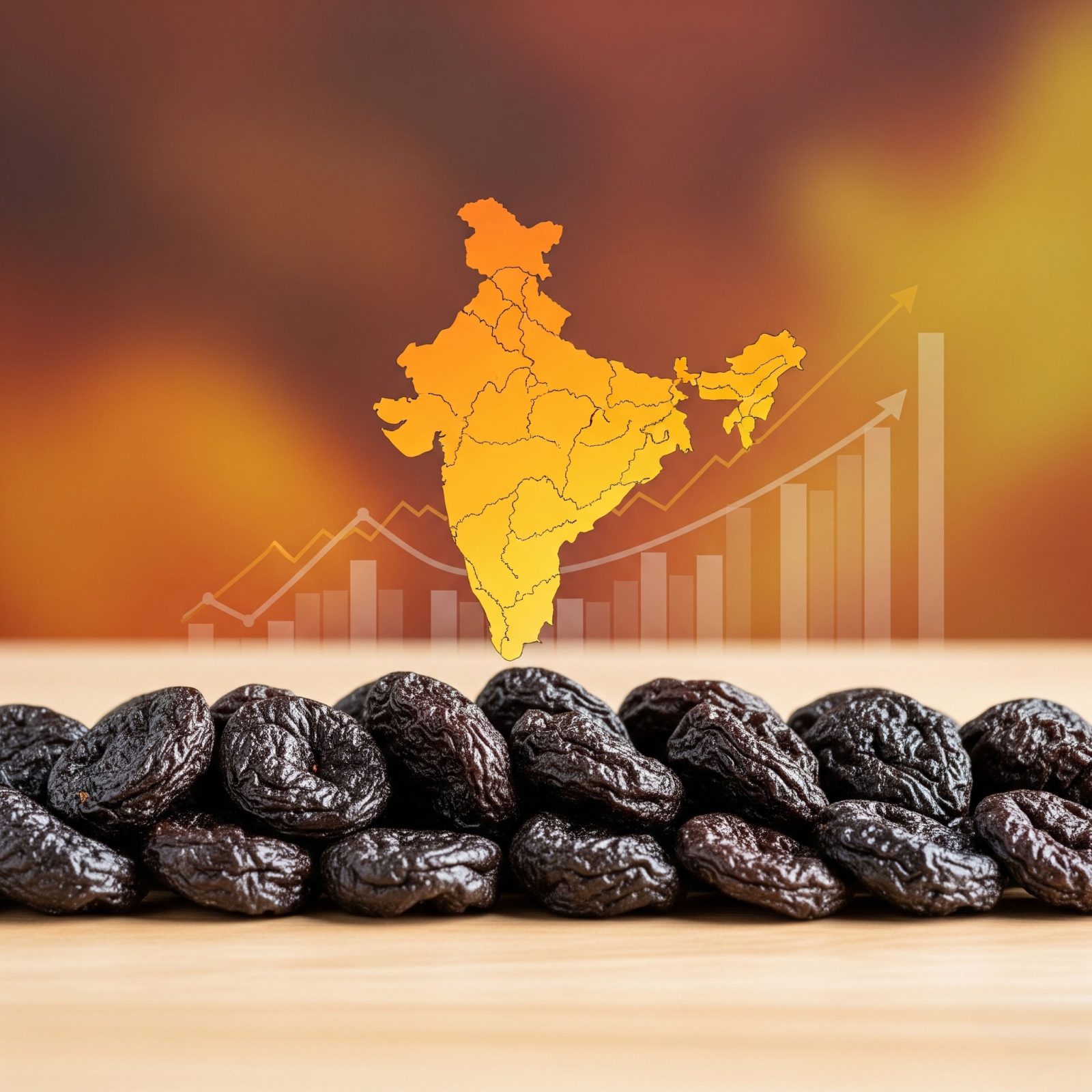
5 Key Conclusions on the Global Dried Plum Market in 2025
The 13th Dried Plum Expo The event concluded with a panoramic view of the current state of the global market and its future prospects. The strategic analysis presented by specialists from SUPERfruit and ProChile summarized the landscape in five key conclusions that every company in the sector should consider when planning its business strategy for the coming years.
1. Limited and Concentrated Global Offer
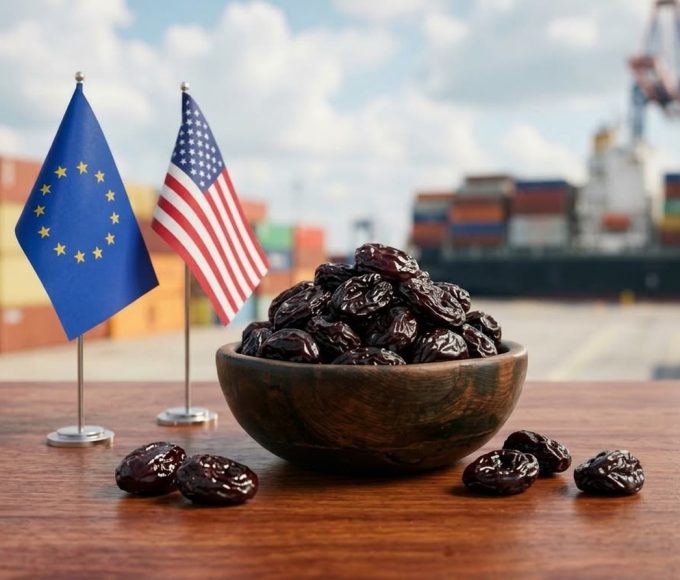
Global plum production is structurally concentrated in very few countries. The four main producers—Chile, the USA, France, and Argentina—account for 951,000 tons of the global volume. This concentration means that Any climatic, regulatory, or production variation in one of these countries has a direct impact on prices and product availability worldwide.. Limited supply is an advantage for established producers, but also a vulnerability if supply stability is not managed well.
2. Historically Flat Demand, But With a Significant Increase from China
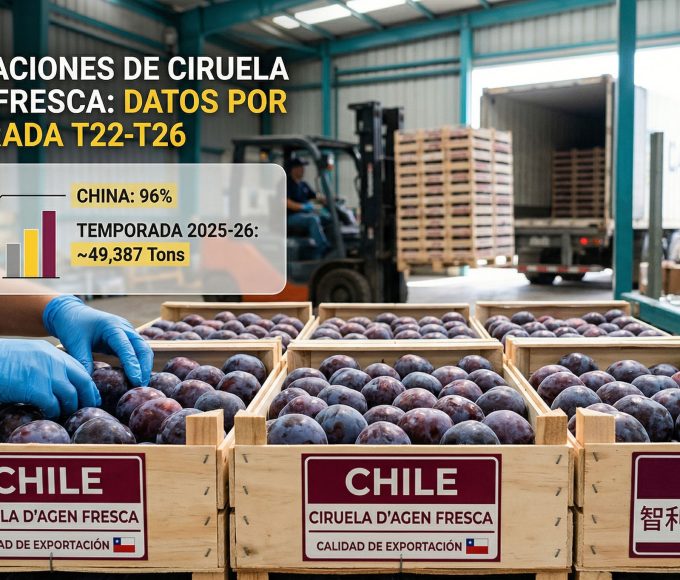
For decades, global demand for prunes remained relatively stable, growing at modest rates. However, The last three years have marked a historic turning point Thanks to the explosive growth of the Chinese market, this surge has changed the global landscape, putting greater pressure on available supply and creating opportunities for exporters to increase prices and margins. Demand can no longer be considered flat: China has reshaped the sector's growth trajectory.
3. Chile Consolidated as the World's Leading Exporter
After years of leadership, Chile has definitively consolidated its position as the world's leading exporter of dried plums. This consolidation is not just about volume: it also encompasses diversification of destinations, recognized quality, developed logistics infrastructure, and solid institutional support. Chilean leadership is based on solid foundations and is sustainable in the medium term, provided the industry continues to innovate and adapt to the changing demands of the markets.
4. China as the Main Consumer: Will Volumes Remain?
One of the most relevant questions raised at the expo is whether China will be able to maintain its current import volumes in the medium and long term. The indicators are positive: the consumer base is already established, the processing infrastructure is in place, and the government continues to promote the consumption of healthy foods. However, Dependence on a single market like China concentrates the risk. An economic slowdown, unfavorable tariff policies, or the development of local production could impact Chilean exports. Diversification remains a strategic necessity.
5. India as the Next Big Market: The Future Lies in Diversification
The fifth and perhaps most visionary of the conclusions points towards the future: India is emerging as the next big market for dried plums. With over 1.4 billion inhabitants, an expanding middle class, a well-established snacking culture, and a growing interest in healthy foods, India has all the attributes to become the next China in terms of demand for prunes. The recommended strategy is clear: Invest in marketing, consumer education, and distribution channel development in India now, before the competition sets in.
These five conclusions are not just a summary of the present: they are a roadmap for the Chilean dried plum industry to make informed strategic decisions, take advantage of the opportunities offered by the global market, and prepare for the challenges ahead.






 Spanish
  English
  Chinese


Leave a comment