






CHINA · EXPORT
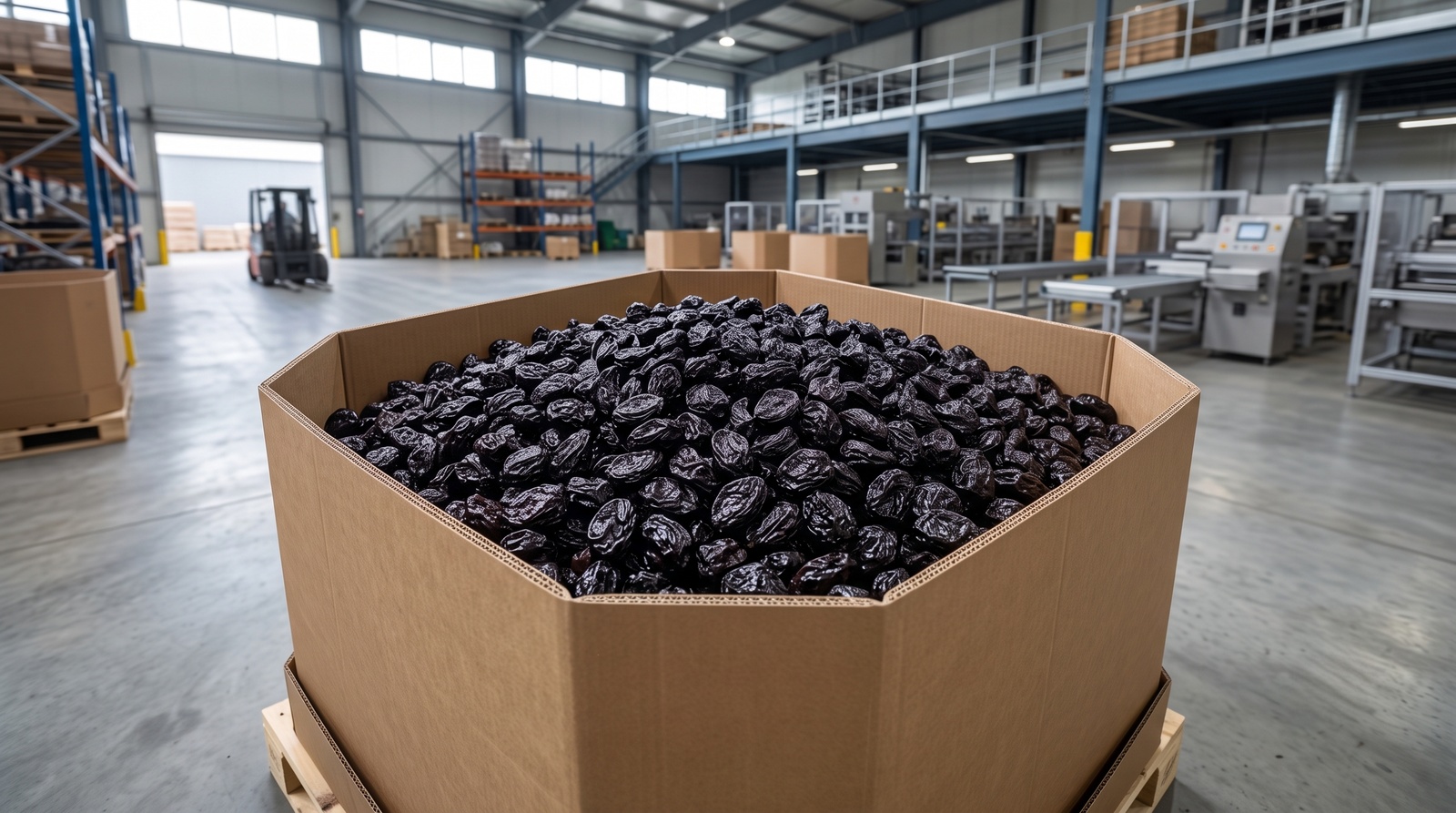
China's demand for Chilean dried plums is expected to accelerate again in the first half of 2026, putting pressure on global supply.
Total exports of Chile in the first half of this year 2026.
The Chinese engine is restarting after the 2025 reorganization
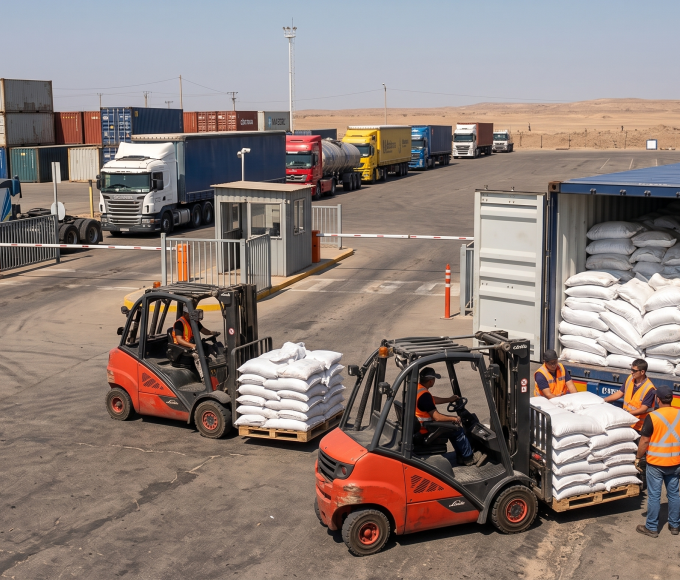
Consolidated data from the first half of 2026 confirm that China once again acted as the main driver of the international dried plum market. After a 2025 in which the Chilean industry sought to diversify its shipments to Europe and Latin America to mitigate market concentration, the Asian giant returned to the market with an aggressive pace of purchases. This acceleration in purchase orders has absorbed a significant portion of the Southern Cone's exportable supply, strengthening FOB prices and directly impacting the packaging decisions of major global players.
To understand the scope of this phenomenon, it is helpful to review recent trends. As we analyzed in [The Chinese Phenomenon: +540% in Dried Plum Imports in 15 Years](https://portalciruelas.com/2026/03/24/el-fenomeno-chino-540-en-importaciones-de-ciruelas-secas-en-15-anos/The Chinese market went from importing marginal volumes to becoming the center of gravity of the global sector. While in 2024 China had captured approximately 29,798 metric tons of Chilean volume, and then in 2025 a rebalancing towards EU destinations such as Poland and Germany was observed, this first part of 2026 demonstrates that China's absorption capacity remains a step above any other competing market.
The explanation for this new wave of purchases lies in the consolidation of the processing ecosystem in China's eastern provinces. Over the past three years, food and ingredient manufacturers in that country have invested considerable sums in plants for reprocessing, conditioning, and packaging snack products. This installed capacity requires a continuous flow of high-quality raw materials and efficient conversion rates, attributes where Chilean plums maintain an undisputed leading position, alongside offerings from California and South American competitors such as Argentina.
|
2010
Marginal Chinese imports, market dominated by Europe and the US.
|
2024
China consolidates its historical peak: absorbs 29,798 MT of Chilean plums for US$$ 63.7 million.
|
2025
Strategic diversification: China's share is losing ground relative to the rebound in European demand.
|
2026 (S1)
June's acceleration propels China to first place (19.2% of volume), although the full semester remains below the previous year's figure.”
|
Xinjiang on the horizon: the 36-month clock keeps ticking
While the figures for the first half of 2026 provide immediate financial relief for exporters and packers, industry analysts agree there is no room for complacency. The current strong demand for wholesale fruit—often traded raw with pits for processing at the destination—represents a window of opportunity with a clearly identifiable expiration date.
The disruptive factor shaping the medium term is the massive development of fruit orchards in China's Xinjiang province. Substantial investments in water infrastructure, coupled with state subsidies for regional agricultural development, have converted thousands of hectares to plum production. Within an estimated 36 months, when these plantations reach full commercial yield, China's domestic supply will be able to meet a substantial portion of its small- and medium-sized industrial needs.
Therefore, the buying boom we observed in the first half of 2026 should not be interpreted as a long-term structural guarantee, but rather as a temporary liquidity respite. If global exporters take advantage of this cycle to sell only commodity fruit without added value, they risk being left vulnerable when Xinjiang's domestic production begins to displace imported fruit in the basic categories.
The commercial danger in this cycle is not a lack of sales, but the temptation to neglect industrial processing at the source. Selling raw stone fruit in bulk solves immediate cash flow problems, but it hands control of the final profit margin to the Chinese processor and leaves the exporter vulnerable to the imminent entry of Xinjiang's supply into the market.
The global dilemma: short-term liquidity vs. premium differentiation
Chinese consumer behavior in the first half of 2026 offers mixed insights into the global supply chain. On the one hand, the California industry remains focused on supplying its high-value domestic market and serving niche markets for large-caliber, value-added products. On the other hand, producers in Eastern Europe and Central Asia, such as Uzbekistan, are attempting to gain ground in the more aggressive price segments, although they still face challenges regarding sanitary certifications and packaging consistency.
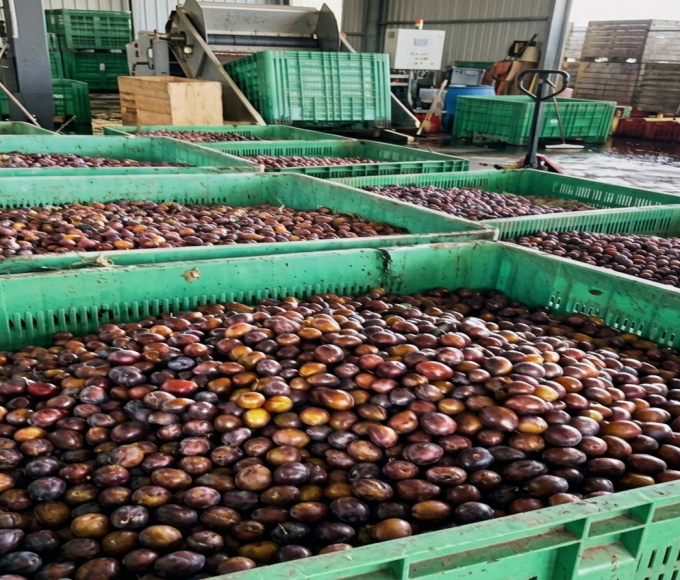
In this scenario, the position of processors in the Southern Cone is crucial. The key to maintaining profitability in the second half of the decade lies in accelerating the transition from simply selling raw materials to developing pitted, tenderized plums (pittedThis format not only captures better unit margins, but also creates technical barriers to entry against locally dehydrated fresh fruit without the high-precision industrial pitting standards.
As we noted in our coverage of the [5 Strategic Conclusions for the Global Dried Plum Market in 2025](https://portalciruelas.com/2026/03/24/5-conclusiones-estrategicas-del-mercado-mundial-de-ciruelas-secas-en-2025-india-como-proximo-gran-mercado/), global demand has ceased to be flat thanks to the Asian factor, but the resilience of the business will depend on the ability to supply in a balanced way both the large Chinese buyers and the traditional markets of Europe, Latin America and the emerging destinations of Asia.
- **Leverage cash flow:** Capitalize on current high FOB values in the first half of the year to pay off liabilities and finance state-of-the-art tenderizing and pitting equipment.
- **Advancing the premium pivot:** Gradually reduce the proportion of unprocessed bulk contracts and prioritize international customers who demand final packaging or higher-caliber pitted fruit.
- **Active customer diversification:** Avoid overexposure to a single destination market; maintain fluid shipping quotas to the European Union, Brazil and new emerging markets to preserve negotiating power.
- **Monitor the evolution of Xinjiang:** Closely follow reports on phenological status, productive area and harvest estimates in western China to anticipate corrections in the price curve of the next two agricultural cycles.
The first half of 2026 shows a positive balance in terms of export volume and realized prices. However, the lesson for senior management in packing and exporting companies is clear: the window of liquidity that China offers today must be the financial fuel to build the qualitative competitiveness of tomorrow.






 Spanish
  English
  Chinese


Leave a comment