






The tariff shield at risk: How Uzbekistan's WTO talks could rewrite prices in China
The dam is about to give way
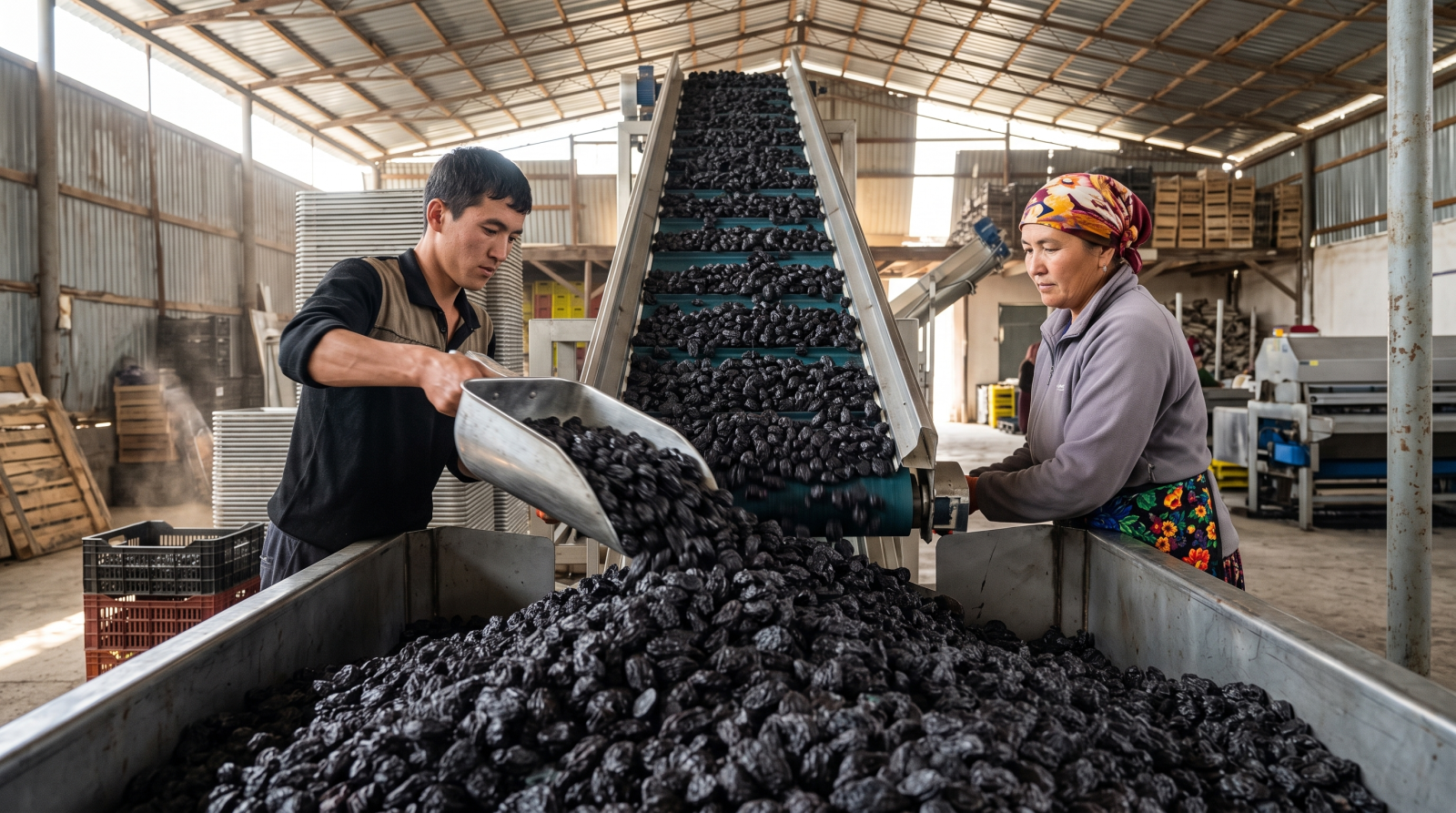
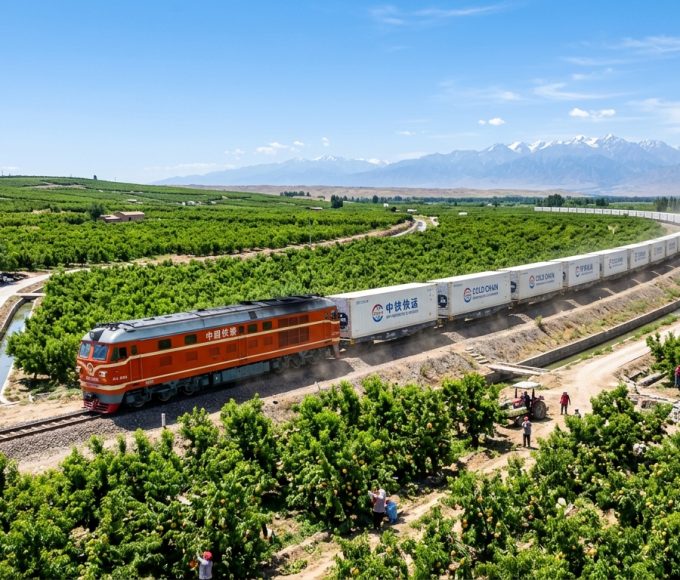
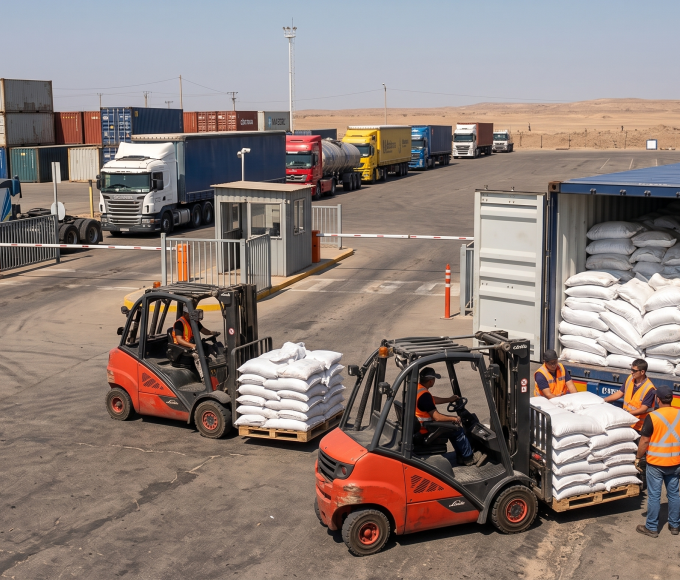
China already absorbs 581,330 TP of Uzbek dried plum exports. However, this trade volume is currently being held back: as a non-WTO member, Uzbekistan faces an import tariff of 251,330 TP (plus an additional 91,330 TP VAT) to enter the Asian giant. Consequently, Uzbek exporters have had to resort to re-exporting through neighboring Central Asian countries that are WTO members to circumvent some of this tax burden.
This additional tax has acted until now as an unintentional protective shield for exporters from Chile and Argentina, artificially leveling the price of South American plums against an Asian competitor whose wholesale prices at origin range between USD 1.20 and 1.60 per kilo.
|
Current
USD 1.50+
Floor price supported by tax burden (25% tariff + 9% VAT)
|
Projected
Low risk
Strong downward pressure ahead of potential tariff removal
|
The collapse of the spot market
The diplomatic roadmap indicates that Uzbekistan seeks to complete its accession to the WTO before the end of 2026. According to reports from [Gazeta.uz](https://www.gazeta.uz/) y [The Times of Central Asia](https://timesca.com/), The country has already completed bilateral market access negotiations with China by the end of 2024. While joining the WTO does not automatically eliminate tariffs, geopolitics is on its side: China is seeking to exert greater influence in Central Asia and is accelerating market access approvals. This paves the way for an agricultural Free Trade Agreement (FTA) in the short term, which could drastically reduce or eliminate this 251% base tariff, causing a sharp drop in import costs.
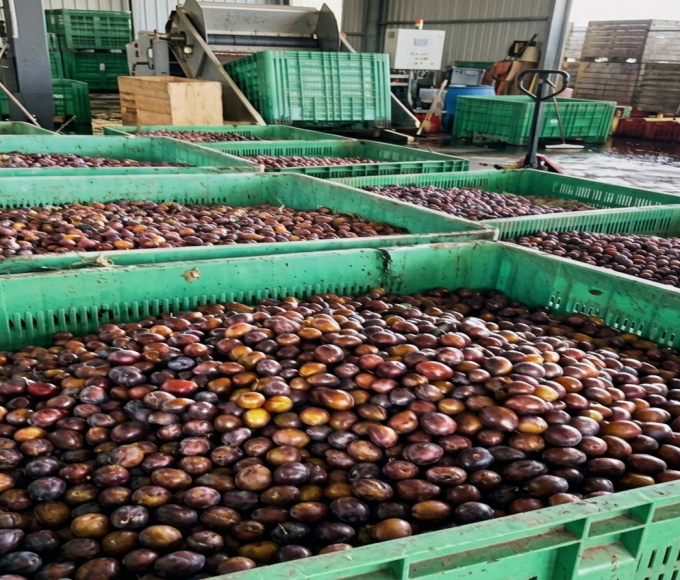
South American exporters that depend on selling small calibers on a transactional (spot) basis in China will face a massive supply that, in the event of a tariff reduction, will be substantially cheaper.
The refuge of added value
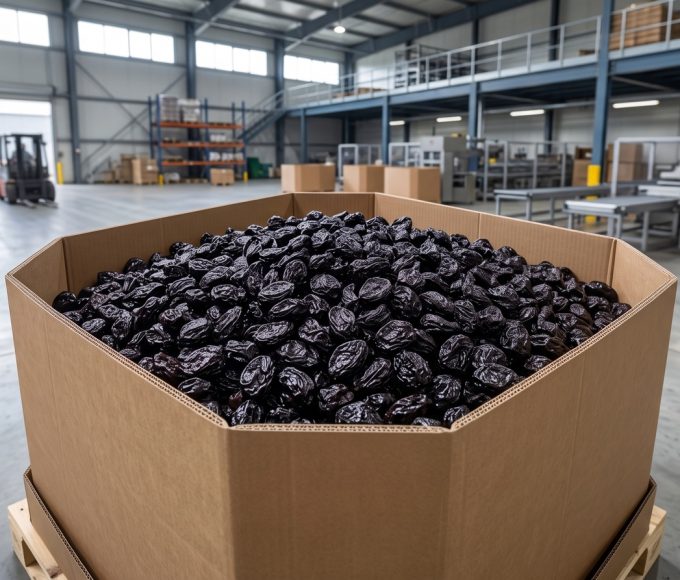
South America's structural response cannot be to lower prices, but rather to change the battleground. China continues to demand that Uzbekistan's product enter as raw material (dehydrated with pits but unwashed, ungraded, and unprepared for direct consumption) due to phytosanitary concerns. Therein lies the window of survival and growth for the Southern Cone exporter.
- 30 days: Map what percentage of your trade program with China depends on natural stone plums in small sizes, and categorize it as "high financial risk volume" by 2026.
- 90 days: Initiate talks with Asian importers to sign multi-year contracts focused exclusively on the premium pitted segment, securing prices before tariff rules change.
- 180 days: Divert investment capital from the expansion of hectares towards the modernization of processing rooms (air pitting, optical calibration), the only niche where Uzbekistan cannot compete due to a lack of technical scale.
Sources: WTO status and negotiations with China documented by Gazeta.uz and The Times of Central Asia. Strategic analysis prepared by Portal Ciruelas.


 Spanish
  English
  Chinese


Leave a comment