





Chile, as a global leader in the export of dried plums, finds itself in an increasingly demanding competitive environment, but with clear strategies to maintain its position.
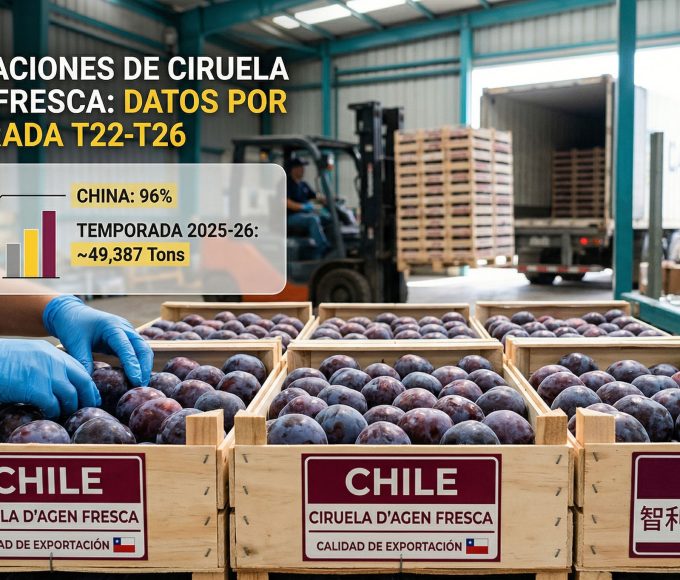
In the first quarter of 2025, Chilean exports reached 12,897 metric tons, valued at US$39.5 million. Despite a lower start to the season, the outlook is positive due to stable or rising international prices and the consolidation of new markets.
The strategic keys to sustaining Chilean leadership include:
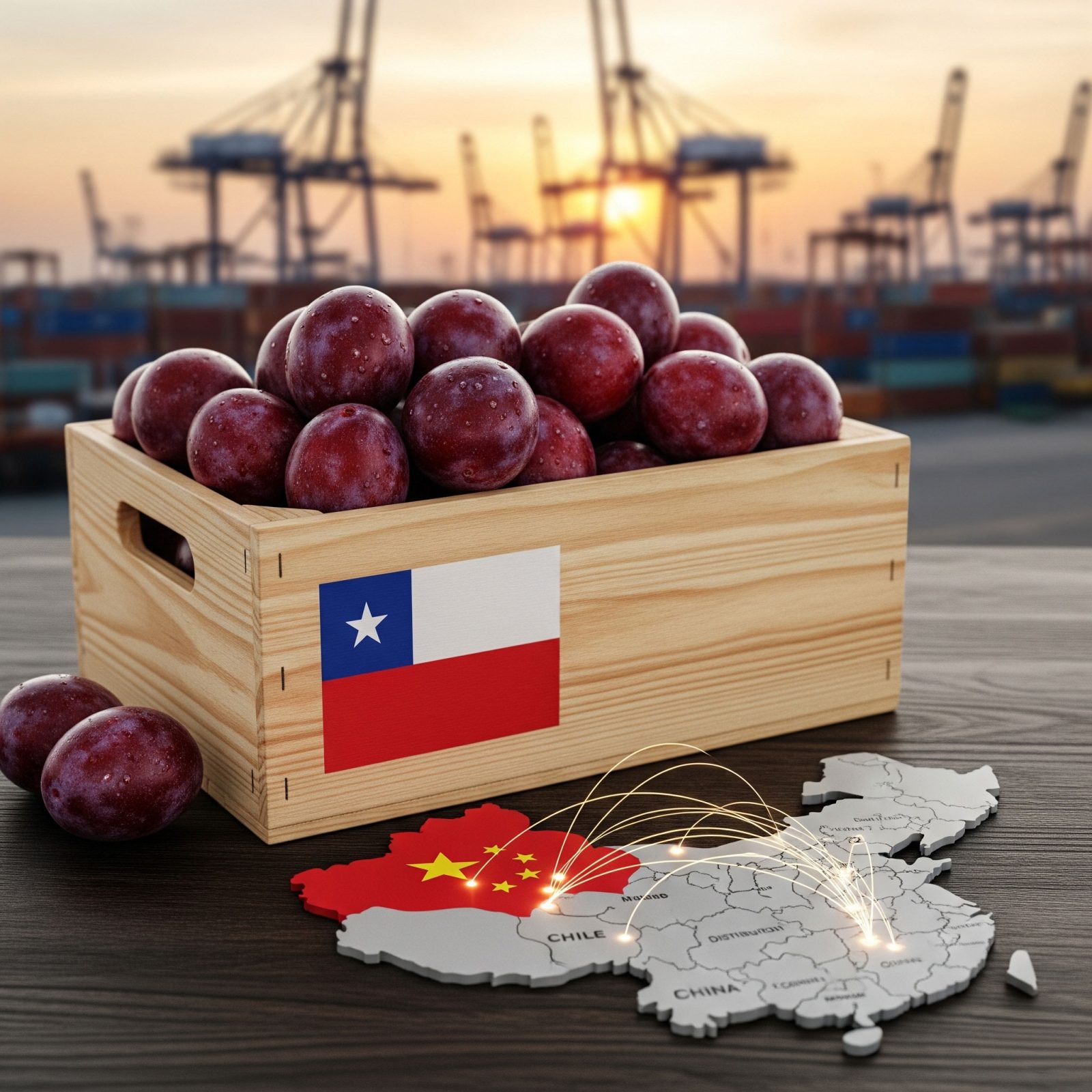
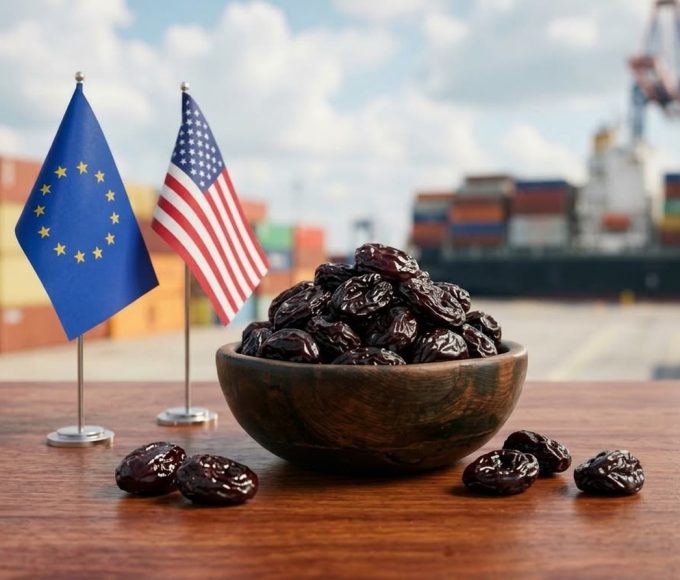
- Geographic Diversification: The reduction in dependence on the Chinese market (from 331% TDP in 2024 to 22.71% TDP in the first quarter of 2025) exemplifies this diversification into emerging markets in Southeast Asia, the Middle East, North Africa, and Eastern Europe. Countries such as Poland, Germany, and the United Kingdom are gaining market share.
- Innovation and Added Value: Differentiate yourself from the commodity by developing larger varieties, ready-to-eat products (pitted, organic, glazed), and attractive packaging. This allows access to premium channels and improves profitability.
- Sustainability and Traceability: International markets demand sustainable practices. Chile has implemented protocols for energy efficiency, water footprint reduction, and traceability, seeking certifications such as GlobalG.AP and Rainforest Alliance.
- Country Brand Positioning: Strengthening Chile's image as a reliable, high-quality supplier through institutional campaigns, visible certifications, and participation in international trade fairs is a crucial asset against competitors like Uzbekistan, which has emerged as a relevant player.
- Operational Efficiency: Managing agricultural and logistical costs, along with implementing advanced irrigation systems and genetic selection, are fundamental to profitability and resilience in the face of climate change.
The Chilean industry, with its capacity for adaptation and resilience, is well positioned to continue its sustainable growth in the global market.



 Spanish
  English
  Chinese


Leave a comment