





The Chinese agricultural market, specifically the western plum market, is undergoing an unprecedented transformation. In the 2025 season, various climatic factors and strategic government decisions rewrote the rules of the game. For South American producers, especially in Chile and Argentina, this is not just news; It is an invaluable window of opportunity.
The Current State of Plum Production in China
China is undoubtedly one of the world's largest plum producers. By 2025, the national planting area will have reached approximately 1.07 million mu (approximately 71,000 hectares). Of this immense area, the Xinjiang region leads with more than 60%, reaching around 750,000 mu, with Jiashi County, in Kashgar Prefecture, being the undisputed epicenter of this industry.
However, greater land area does not always translate into optimal results. Production has been highly decentralized, and although large-scale cooperatives are beginning to emerge, quality fluctuates.
The Climate Impact: Less Fruit, Record Prices
The weather is unforgiving. During the flowering period (March to April 2025), the main production areas in Kashgar suffered the onslaught of strong winds, unusually high temperatures, and sandstorms.
The result? A drastic drop in fruit set rates and, consequently, a lower availability of quality fruit premium (fruit of good size and color). Faced with this shortage, farm prices for premium plums skyrocketed, reaching around 8 to 12 yuan per jin, a considerable increase compared to the 6 yuan of 2024.
Demand Relents: The Healthy Consumption Boom
Despite supply challenges, Chinese consumers' thirst for healthy products continues to rise. Women between the ages of 25 and 40 are leading this consumption, driven fiercely by online sales.
The overall market size is projected to exceed 9 billion RMB (yuan) by 2025. This is where the international scene takes center stage.
The 15% Gap: An Opportunity for South America
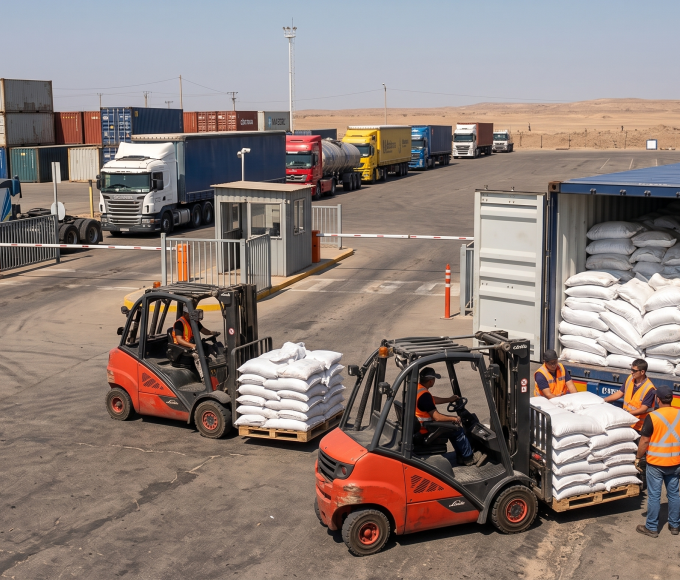
Imported plums (with Chile, the United States and Argentina leading the way) now represent about 15% of the Chinese market share. These imported fruits are viewed and used as premium fresh products or very high quality raw materials for industry.
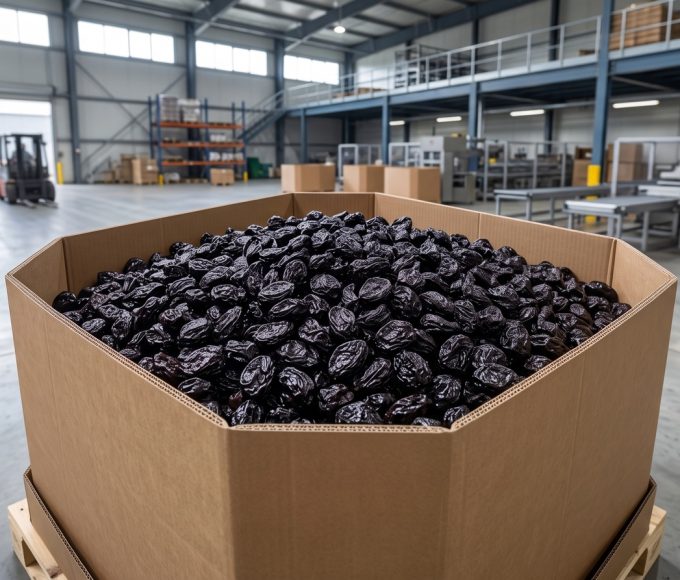
Given that global consumption of dried plums is between 200,000 and 220,000 tons annually, with China being the main driver of growth, the role of suppliers like Chile—which exported almost 30,000 tons to China alone in 2024—is critical. The gap between a local supply diminished by the weather and a booming demand presents a golden opportunity for the agribusiness sector in our region.
The Chinese State's Response: "High Standard Lands"«
China is not standing idly by. Recently, the State Council announced an ambitious project to progressively transform its "basic farmland" into «"high-standard farmland"» by 2030, covering up to 90 million hectares.
This plan seeks to implement ultra-efficient irrigation systems and create surfaces resistant to both droughts and floods, aiming to safeguard food security and reduce dependence on imports in the face of climate change.
Conclusion: The Window is Today
The Chinese plum market faces a paradox: massive territorial expansion hampered by extreme weather and the homogeneity of its varieties (predominantly "French varieties"). While its plan for "high-standard" land is expected to bear fruit by 2030, the immediate need for premium plums and inputs for deep processing (juices, jams, dried fruit) is urgent.
Risk warning: The domestic planting area continues to expand. If management is lax or market development is insufficient, there is a risk of a rapid price drop similar to that observed for other introduced fruits (e.g., Sun Rose).
For Argentina and Chile, The strategy is clear.: differentiation by quality, a focus on timely shipments (taking advantage of windows of scarcity) and added value are the keys to consolidating in the Asian giant.
Report prepared by the Portal Ciruela team with data from international sources and market analysis 2025.




 Spanish
  English
  Chinese


Leave a comment