Chile faces critical challenges to maintain its global leadership in dried plums: diversification, sustainability, innovation, and more. Discover the strategic keys for 2026.
The competitive landscape of Chilean industry
For years, Chile has been the world's leading exporter of dried plums. However, this leadership is being challenged by an increasingly demanding business environment, with changing demand, new regulatory requirements, and growing international competition.
High market concentration and need for diversification
One of the main risks for the industry is its high dependence on a limited number of markets. Although Chile exports to more than 70 countries, the 73% of the shipments are concentrated in just 10 destinations. This situation creates vulnerability to fluctuations in consumption, trade conflicts, or health barriers.
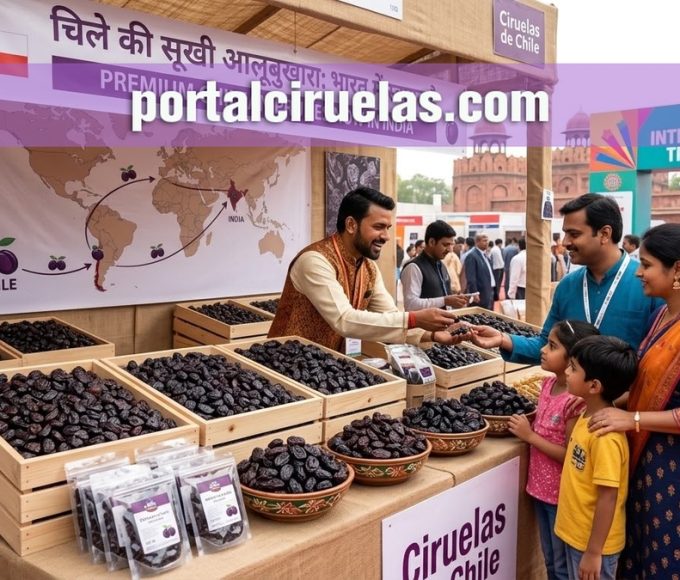
It is key to identify and penetrate emerging markets such as the Southeast Asia, the Middle East, North Africa, and Eastern Europe. These regions have a growing demand and consumers increasingly interested in healthy and functional products.
Sustainability and international environmental pressure
International markets are raising the environmental standards they demand from their suppliers. The Chilean sector has begun to implement energy efficiency protocols, water footprint reduction and traceability. Certifications such as GlobalG.AP and Rainforest Alliance They are increasingly valued by international buyers.
Innovation to avoid price competition
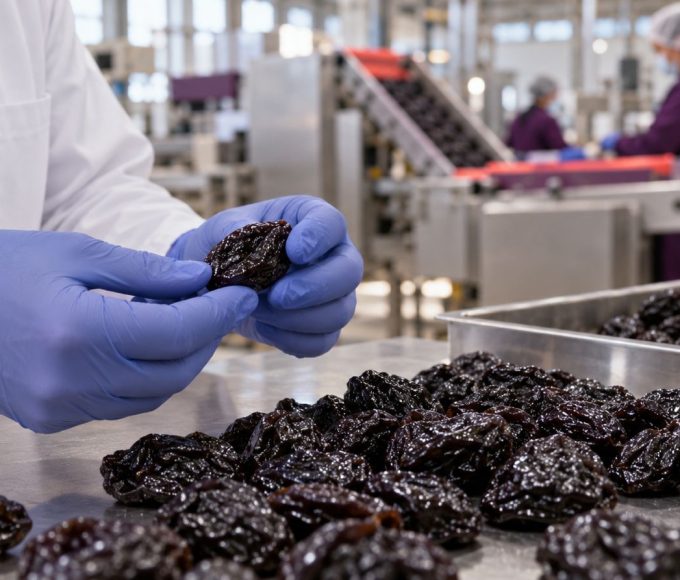
The risk of dried plums being perceived as a commodity is forcing Chilean companies to differentiate themselves through innovation and added value. Some national brands have begun to introduce pitted plums, organic or glazed, with prices up to 30% higher than the traditional bulk product.
Growing competition from Uzbekistan and other countries
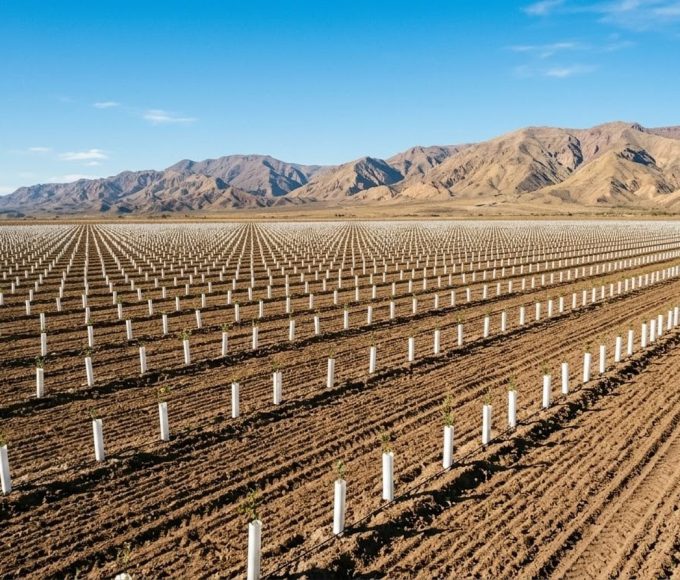
Uzbekistan has emerged as a new global player, with plantations that far exceed Chile's in area. Its capacity to produce large volumes at low cost could put downward pressure on international prices. Chile still maintains advantages in logistics, final product quality and regulatory compliance.
Cost management in the face of climate change
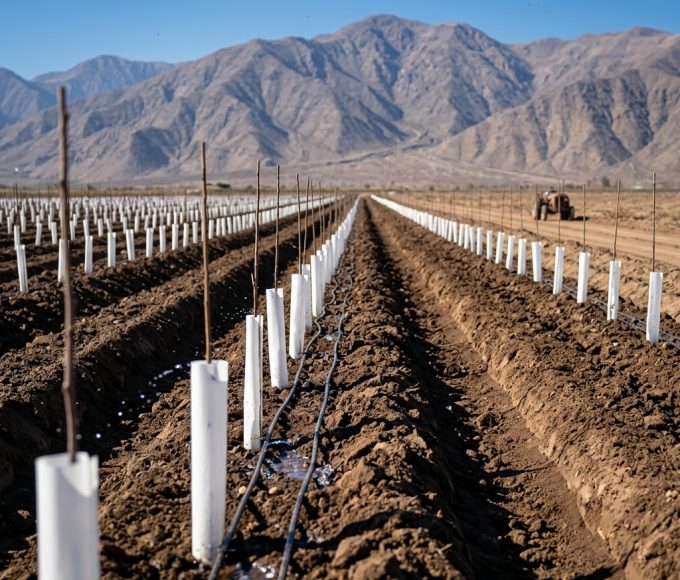
Rising agricultural and logistical costs, coupled with climate volatility, are impacting profitability. The implementation of advanced irrigation systems, climate cover, and genetic selection Using more resistant varieties are key strategies to mitigate these effects.
Strategic keys to sustaining global leadership
- Actively diversify export markets
- Boost consumption through healthy product positioning
- Innovate to offer differentiated and premium products
- Advance sustainability and traceability protocols
- Strengthen the country's image and sectoral brand
- Increasing efficiency in the face of climate and competitive challenges
Frequently Asked Questions
Why is high market concentration a risk? Because it exposes the country to risks from policy changes or demands in a few destinations.
Which environmental certifications are most valued? GlobalG.AP, Rainforest Alliance and national sustainability protocols.
What is the biggest international threat to Chile? Uzbekistan's accelerated growth in production and exports.










 Spanish
 English
 Chinese


Leave a comment