



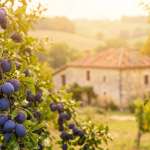


Dear producer: After working all season to achieve a good harvest, the delivery time is critical. However, many producers lose a significant percentage of their profits by shipping the fruit as it comes from the field.
What's the key to changing this? Add value to your fruit before it leaves the orchard for the final buyer.
The problem with the traditional system
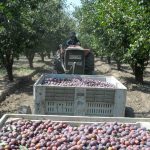
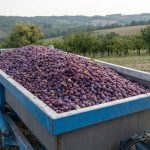
In the traditional harvest and shipping system, logistical errors occur that directly impact your bottom line. When shipping the bins By going directly to the processing plants of exporting companies, you face hidden costs:
- You pay freight for garbage: The soil, leaves, and debris that go in the bin take up space and weight. You're paying to transport "garbage" that can represent up to 131 metric tons of the total volume.
- Loss of business opportunities: All the fruit (good, small or damaged) goes together, leaving you at the mercy of the exporter's general liquidation.
The Solution: Invest in calibrating your fruit
According to the specialist's more than 15 years of experience Ivan Villablanca Prinea, The most profitable strategy today is to invest in calibrate and segregate the fruit directly at the source.

Performing this process in the orchard (for example, using technology such as Albion Sizing Machines) offers four invaluable financial advantages:
1. Elimination of sunk costs
By cleaning and calibrating, you immediately eliminate the "garbage" from the system. You stop paying unnecessary freight costs to processing plants.

2. New, fast-moving revenue streams (Cash Flow)
By calibrating, you can separate the "pip" and the discarded fruit (crushed, broken, with visible pit). This fruit isn't trash: you can sell it directly to companies dedicated to pulp and juice.
The benefit: These companies usually pay in cash and up to 30% plus which would end up liquidating you as an exporter for that same discard.

3. Bargaining power by caliber
By sorting your fruit by size, you regain control of the business. You can strategically decide what to do with each batch: sell it as is or deliver it to different exporters, since certain companies offer better prices or advantages for specific sizes.
4. Full traceability
This process gives you absolute traceability over your product, a factor that is increasingly demanded in high-quality export markets.
Maximizing the profitability of crops like plums, kiwis, or table grapes is every producer's responsibility. Don't leave your profits to someone else's judgment. Calibrate, segregate, and decide.
Original source:
Author: Ivan Villablanca Prinea
Profession: Agricultural Engineer – Independent Agricultural Consultant
Entity/Contact: PUCV Advisor | ALBION CHILE (+56995391112)


 Spanish
 English
 Chinese


Leave a comment