



[CHILE · STRATEGY]
The antidote to China's 50,000-ton plan: diversification and 68% of clean production
The clock is ticking and the single-market is suffocating us.
The Asian giant is rewriting the rules of the game. According to data analyzed by Ciruelas Chile AG and recently published in AGROLUN, With 62,000 hectares planted (compared to 13,500 in our country), China is advancing an aggressive plan to produce 50,000 tons of its own dried plums by 2029. Currently, this destination absorbs 27,965 Chilean tons, representing 321% of the total exported volume (87,347 tons in 2025).
The risk is clear: depending on a buyer that pays the lowest prices in the top 10 (US$ 2.89/kg) and that is three years away from not needing bulk imports, forces a rapid recalibration of the Chilean and regional export business.
The path to added value
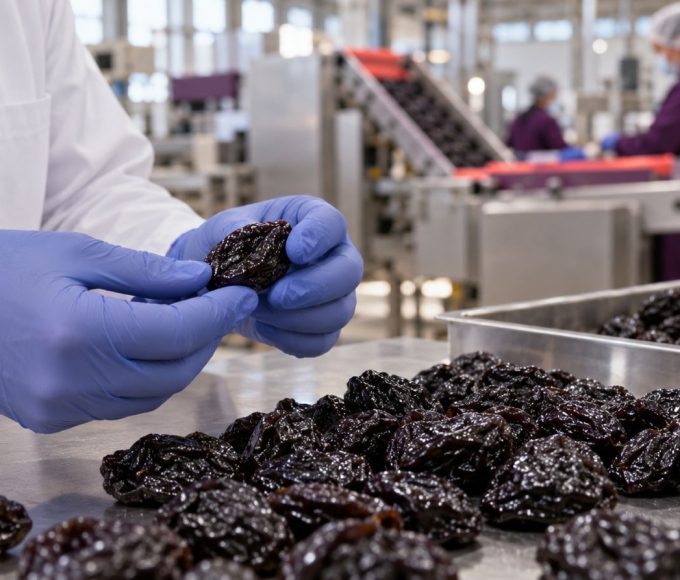
Faced with this challenge, the industry is already deploying its defenses. The path to overcoming the contraction of the Asian market lies not in competing on volume, but on differentiation. According to the AGROLUN report, eight processing plants, representing 681 TP3T of the sector's production, were certified by Corfo's Sustainability and Climate Change Agency for water and energy efficiency, as well as waste management.
This Clean Production Agreement, promoted by Chileprunes, seeks to extend standards from the industrial process to the supplier orchards, preparing the chain for the growing demands of Europe (whose market is especially strained by the current [climatic challenges in the French campaign](/france)) and North America.
Of the 87,000 tons that Chile exports, almost a third would be left without a destination if companies do not pivot towards larger sizes and certifications required by international retail.
Destinations that pay for quality
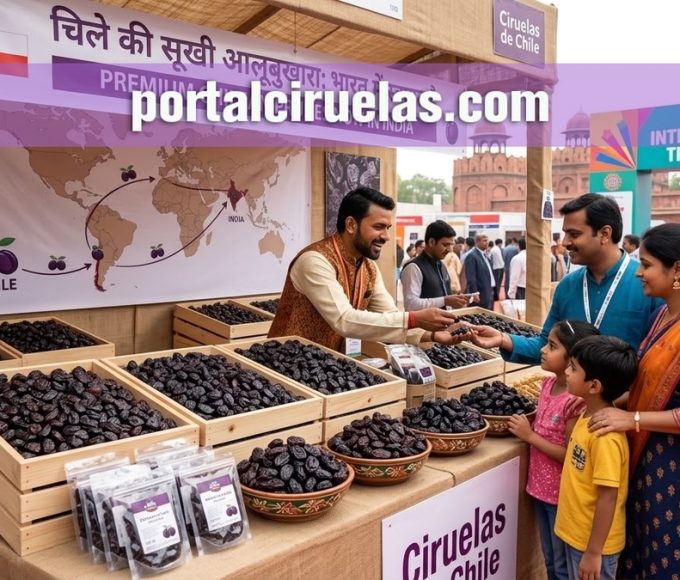
The numbers validate the shift towards value. While China dominates volume, mature markets like the United States and Spain pay 2.3 times more per kilo (US$6.67 and US$5.23 respectively). Other destinations, such as Poland (US$3.20/kg) and Mexico (US$3.29/kg), offer stable opportunities, while India is emerging as the next commercial frontier if attractive sizes can be achieved.
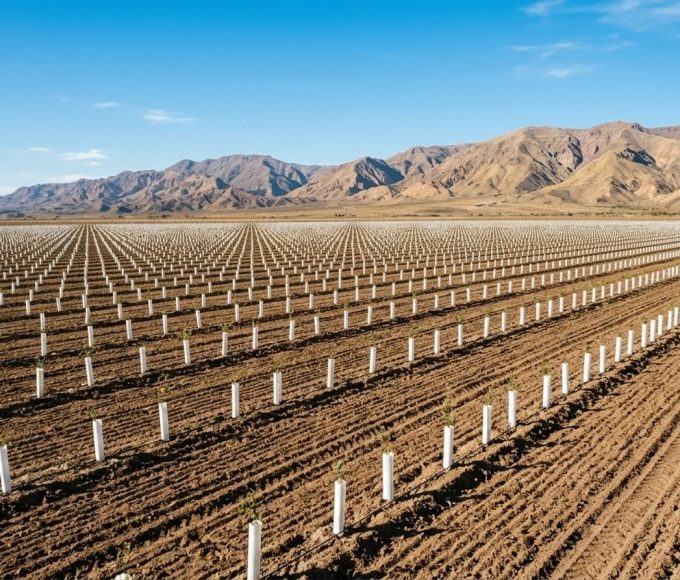
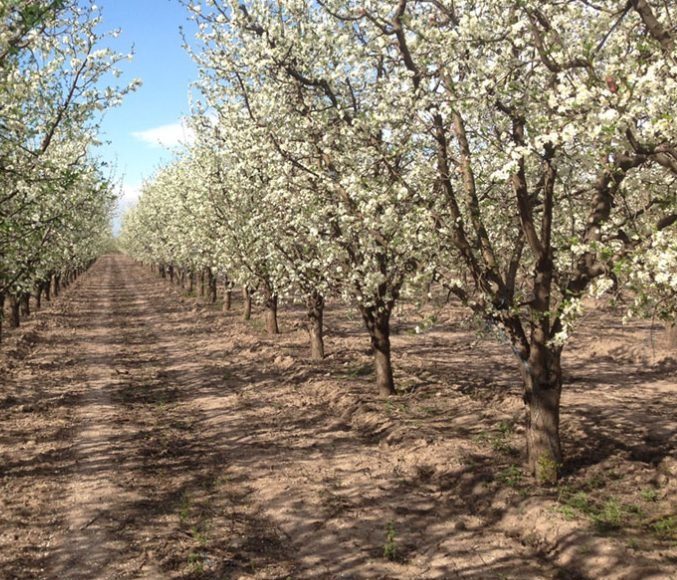
To sustain the total FOB value (US$1,304 million achieved in 2025), the South American orchard must accelerate its agronomic transformation: optimize planting frameworks, improve pruning and apply state-of-the-art environmentally friendly products.
- 30 days: Evaluate your level of exposure to the Chinese market and project the financial impact of a drastic reduction in its demand by 2027-2028.
- 90 days: Start the certification process (organic, water footprint or APL) to align your primary production with European retail standards.
- 180 days: Diversify your portfolio by seeking contracts with receivers in high-value-per-kilo markets (USA, Germany) targeting large sizes.
The window of opportunity is closing. The business is no longer about how many tons are shipped, but at what price and with what sustainability backing they arrive.
Main source of data and interview with Jesús de la Riva: Publication of Las Últimas Noticias (AGROLUN), June 2026, based on Odepa/ProChile.


 Spanish
  English
  Chinese


Leave a comment