[CALIFORNIA · AGRONOMY]
California 2026: The thinning crossroads opens a window for South America
IN 30 SECONDSWith one of the largest fruit loads seen in recent years, California growers face a key decision for the 2026 season: take on the high cost of thinning or risk a harvest dominated by smaller fruit.
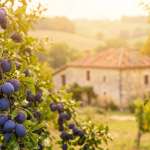
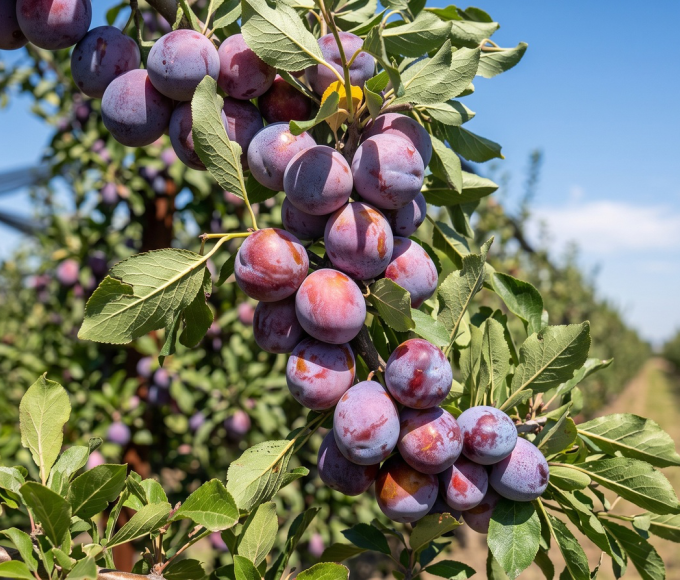
10,000 to 15,000 fruits per tree.
“"Technicians report exceptionally high fruit set rates, with records between 23% and 52% and averages close to 35% in some monitored orchards in the Sacramento Valley."”
The hidden risk of overproduction
An ideal flowering, with subsequent GDH30 values close to 8,300 units, one of the highest records in recent years.
(GDH30 stands for Growing Degree Hours, accumulated Growth Degree Hours during the 30 days after full flowering).
This has resulted in a much heavier fruit load than usual in Californian orchards. While this promises a jump in gross volume, the excessive load on the trees triggers extreme competition for resources (water and nutrients).
Without aggressive thinning, that fruit could end up in smaller sizes, significantly reducing the commercial value of the harvest.
The situation is especially sensitive because international buyers continue to favor medium and large sizes, while small fruit faces increasing competition in international markets.
SAVING ON THINNING CAN BE MORE EXPENSIVE.
Experts agree that the visible cost of thinning is usually easier to measure than its benefits. However, excessive thinning can result in smaller fruit size, lower sugar content, increased health risks, and a rise in production problems in future seasons.
In addition, the rainfall recorded during pit hardening increases concerns about possible latent brown rot infections, especially in orchards with excess fruit and greater contact between fruits.
THE IMPACT BEYOND 2026.
The decisions made by Californian producers in the coming weeks could influence not only the final quality of the 2026 harvest, but also the production performance of 2027.
The researchers point out that prolonged overloading can increase the risk of alternate bearing, generate stress in the trees, and affect the productive potential of the following seasons.
Therefore, the technicians' message is clear: now is the time to manage the harvest that will arrive at the processing plant. Once the fruit reaches the harvest stage, the opportunities to correct loading errors practically disappear.
«"The 2026 harvest promises to be one of the largest in recent years. But will it also be one of the most profitable?"»
[Data source: Analysis by UCCE specialists in the podcast "Prune Fruit Set 2026, GDH30 and Cost of Thinning"].








 Spanish
 English
 Chinese


Leave a comment