






[CHINA · MARKETS]
The global plum market is adjusting and pressure for larger sizes is growing.
The caliber paradox on the Asian chessboard
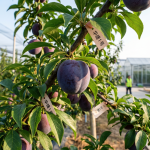
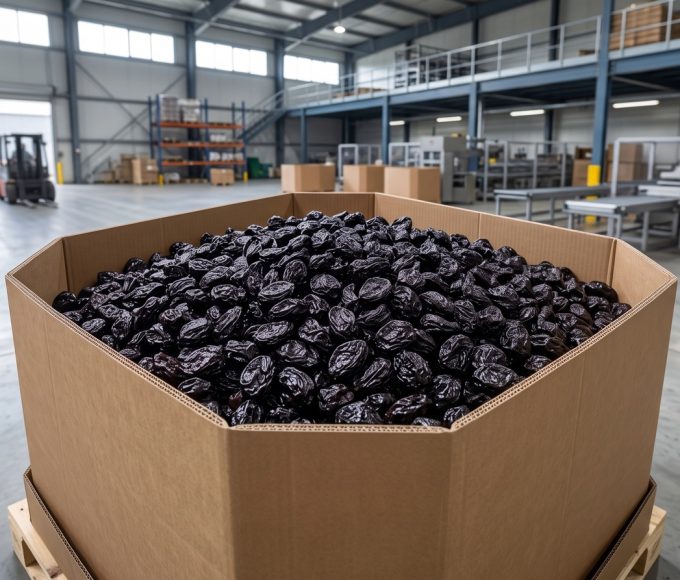
The Chinese market's appetite for large-sized plums clashes head-on with the current agronomic reality. While the 2025/26 Chilean season projects a 51% increase in production volume, it anticipates an average size of 75 units per pound, exacerbating the shortage of premium product in the global market.
This dynamic worsened after the March rains in the Colchagua Valley (>50 mm), which impacted the drying process after a harvest that started early in February.
As the clock ticks towards 2029 — when China is aiming for its own 50,000 tons — the window of profitability for South America is anchored in retaining this premium niche (stoned, without additives), leaving the smaller size (100/120) for the mass-market candy snack chains.
| Chilean D'Agen Area (Hectares) | Worth | Scale |
|---|---|---|
| Current Planted Area (2026) | 13600 | |
| Projected Area (2030) | 16500 |
The US and France are losing ground
The long-term structural decline in production in the United States and France underscores Chile's value as a safe haven origin. Today, the South American country accounts for approximately 361% of global plum output. With stable profitability attracting new investment in the O'Higgins, Metropolitan, and Maule regions, Chilean orchards are projected to grow significantly by the end of the decade.
Diversification as an escape
Despite China's pull, Chile's total exports to that destination fell by 41.3 tons in 2025. The volume (87,600 tons exported globally in 2025, +41.3 tons year-over-year) sought profitability and compensated for by surges in demand in Poland, Mexico, and Germany.
Supply strategy under stress
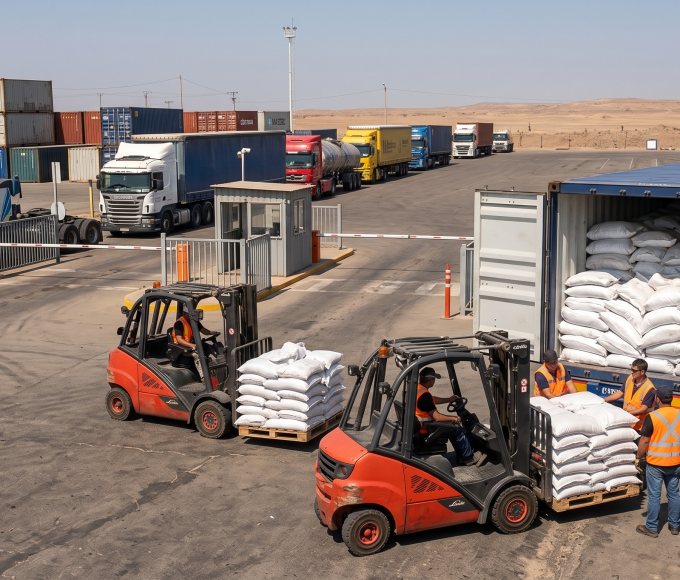
With a tight global supply and a declining average fruit size, logistics planning will be under immense pressure. Selling volume is no longer enough; profitability will depend on the smart allocation of large-sized fruit to premium retailers who pay a premium for sterilized, healthy fruit from China.
- **30 days:** Lock in contracts and secure physical inventories of large gauges (30/40 and 40/50) before shortages overheat FOB prices.
- **90 days:** Diversify allocations of smaller sizes (100/120) by exploring fast-growing alternative markets such as Poland, Mexico, and Germany.
- **180 days:** Evaluate intra-farm investments (pruning, thinning, nutrition) to force large sizes in the 26/27 harvest, anticipating local production pressure from China towards 2029.
Report prepared by the Portal Ciruela team with data from international sources and market analysis (Original source: Presentation by Erik Zuloaga at the 19th China Nut Food Exhibition, April 2026).







 Spanish
 English
 Chinese


Leave a comment