






EUROPE · COMPETITIVENESS
The advance of the Uzbek Vengerka in Eastern Europe: a challenge for the South American plum
The perfect storm in the Baltic
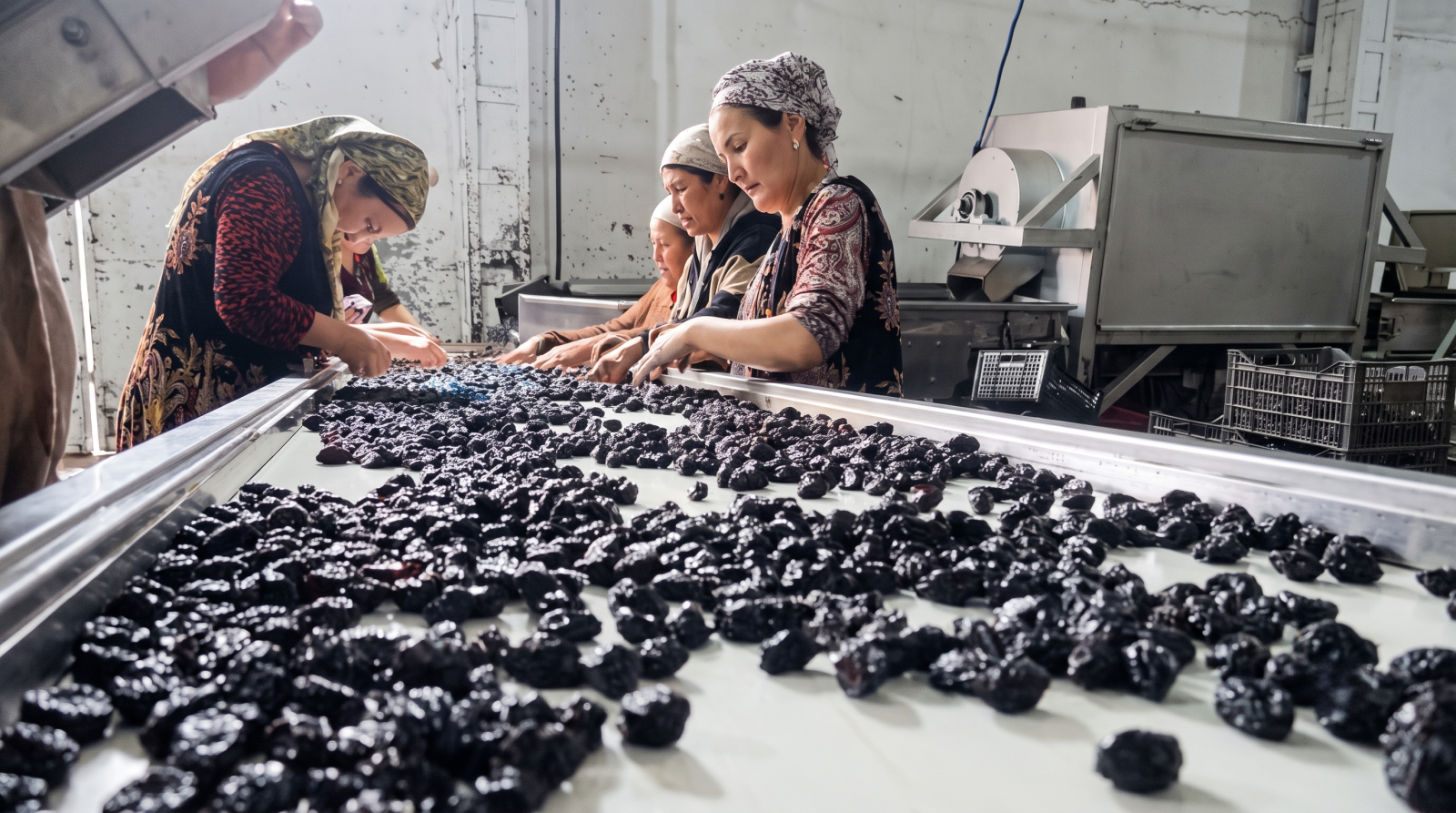
While South American exporters typically focus on the giants of Western Europe or Asia, a quiet invasion is reshaping the landscape in Eastern Europe. Countries with high per capita consumption, such as Lithuania, Latvia, and Poland, are showing rapid growth in imports of Uzbek plums (Vengerka variety), displacing the volume historically supplied by Chile and Argentina.
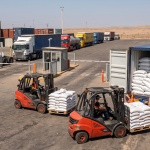
Uzbekistan's success in this region is not due to an improvement in quality, but to an aggressive state policy, which since May 2020 has subsidized between 50% and 70% of the land transport costs of its exporters, in addition to its geographical proximity.
The SGP+ benefit as an accelerator
In addition to the geographical advantage, there is a critical diplomatic benefit: as detailed by [European Commission (GSP+ Hub)](https://gsphub.eu/), Uzbekistan has held Generalized System of Preferences Plus (GSP+) status since 2021. This allows them to enter the EU with a tariff of 0%.
This combination of heavily subsidized freight and zero destination tax acts as a highly competitive element, introducing standard quality fruit to the European market at prices that are extremely difficult to compete with from South America using long-distance shipping rates.
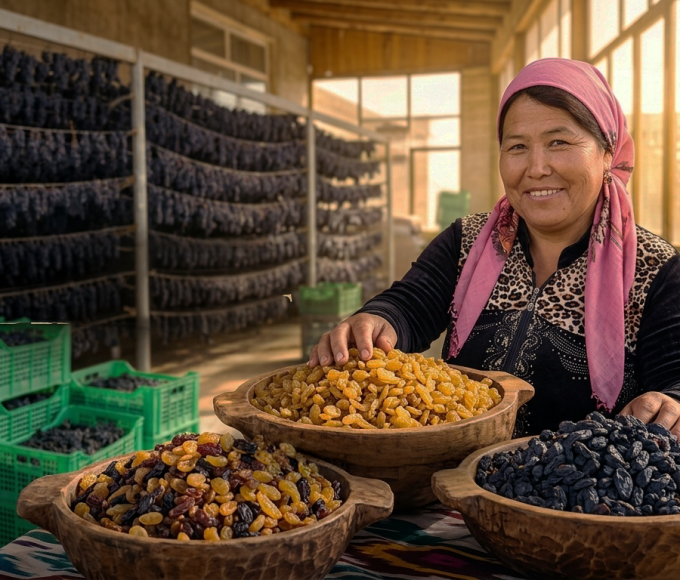
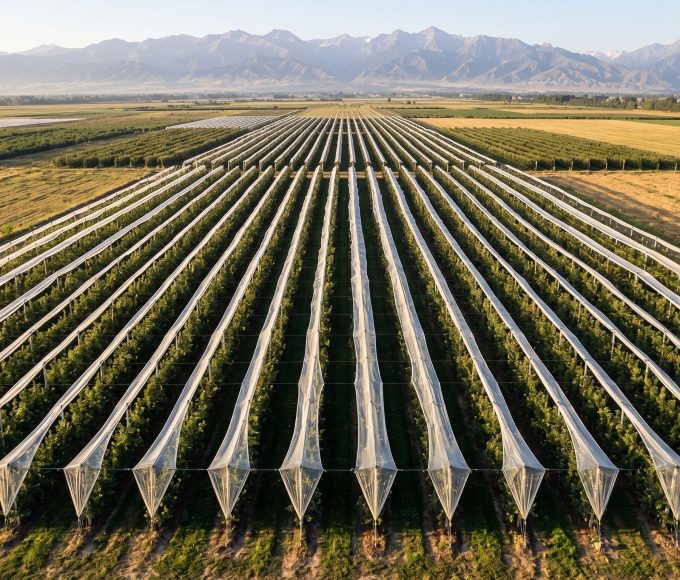
Importers from Eastern Europe are extremely price-sensitive, but they operate under EU food laws. The Uzbek agricultural structure, fragmented into thousands of smallholders with less than one hectare each, is incapable of supporting modern traceability.
Strategic repositioning
Stemming this market hemorrhage requires South American exporters to stop negotiating based solely on size and price. They need to sell operational reliability.
- 30 days: Contact active customers in Eastern Europe and migrate the offer from the transactional ("spot") model to annual programs, where the weight of the decision rests on the reliability of the supply chain.
- 90 days: Audit your own international certifications (BRC, SMETA) and use them aggressively in trade negotiations to explicitly block the entry of batches from non-traceable origins.
- 180 days: Promote water sustainability and good labor practices (ESG) labels, requirements that more and more European retailers demand and that Uzbekistan will take at least a decade to implement.
Sources: Tariff data from the [European Commission (GSP+ Hub)](https://gsphub.eu/) and reports from the [German Economic Team](https://german-economic-team.com/). Market analysis prepared by the Portal Ciruela team.
—


 Spanish
  English
  Chinese


Leave a comment